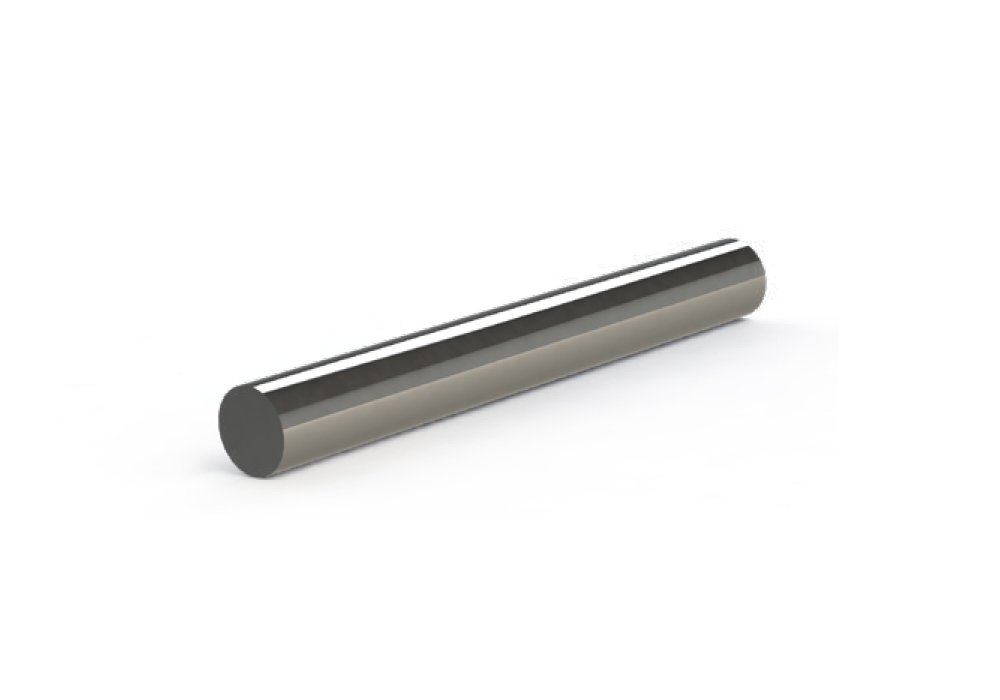
In 2025 and early 2026, the global market saw noticeable price increases in tool steel, powder metallurgy steel, and carbide materials.
For motor core mould projects, this does not simply translate into a proportional increase in total mould price. Instead, it changes the internal cost structure of the tooling.
Understanding this structure is essential for engineering teams and procurement managers evaluating quotations.
1. What Makes Up the Cost of a Motor Core Mould?
A motor core mould is not priced based solely on raw material weight. The cost typically consists of:
- Tool steel and carbide materials
- Precision CNC machining
- Wire EDM and sinker EDM processing
- Heat treatment and hardness control
- Grinding and fitting
- Assembly and trial stamping
- Engineering design time
Depending on project complexity, material cost usually accounts for 20%–35% of the total mould value.
This means alloy price increases do not automatically lead to equivalent total price increases — but they do shift cost distribution.
2. Which Components Are Most Affected?
Alloy price changes impact different areas unevenly.
The most sensitive components are:
- High-speed punches
- Die inserts
- Interlock forming punches
- Large compound die rings
- Wear plates in high-SPM progressive moulds
In high-speed motor core moulds (300 SPM and above), carbide and powder steel usage is significantly higher, making such tools more sensitive to alloy price fluctuations.
For thin electrical steel (e.g., 0.2mm–0.1mm), insert precision and wear resistance requirements further increase reliance on premium grades.
3. Why Do Different Suppliers Show Different Price Adjustments?
When alloy prices rise, quotation differences between mould manufacturers become more visible. This is usually due to:
- Different steel and carbide grade selections
- Different insert segmentation strategies
- Varying lifetime assumptions (stroke targets)
- Inventory strategy (pre-purchased stock vs. spot market purchase)
- Import vs. domestic material sourcing
Two moulds may appear similar in specification, yet internal material strategies can vary substantially.
Without understanding this structure, comparing total price alone may not reflect long-term cost efficiency.
4. Engineering Response to Material Price Volatility
Rather than reacting directly to raw material increases, engineering-oriented suppliers typically focus on:
- Optimizing insert layout to reduce unnecessary carbide volume
- Designing segmented wear zones for partial replacement
- Balancing material grade with actual stroke requirements
- Improving alignment precision to extend tool life
The objective is not simply to absorb material cost changes, but to maintain predictable performance and stable unit lamination cost over the mould lifecycle.
5. What Procurement Teams Should Clarify
When evaluating quotations in a period of alloy price fluctuation, it is useful to clarify:
- Material grade for punches and dies
- Target stroke life assumption
- Heat treatment hardness range
- Insert replaceability strategy
A structured discussion around these parameters often explains price differences more clearly than headline numbers.
Conclusion
Alloy price increases in 2025–2026 do not redefine motor core mould economics — but they highlight the importance of understanding internal tooling structure.
For projects requiring high-speed stamping, thin lamination, or extended stroke life, material strategy becomes a decisive engineering variable.
A cost analysis based on structure, rather than surface price comparison, supports more stable long-term decision-making.